
Roofing materials in Massachusetts must perform under some of the most demanding weather conditions in the country. From heavy snow accumulation and coastal storms to repeated freeze-thaw cycles, the materials used on roofs across the state are constantly exposed to moisture, temperature swings, and wind stress. Unlike installation-focused pages, this guide is purely educational. It is designed to help homeowners and property owners understand different roofing materials, how they perform in Massachusetts, and the advantages and limitations of each option. Whether you are researching before a roof inspection, planning a future roof replacement, or simply trying to understand your current roof system, this page provides a clear breakdown of material choices.
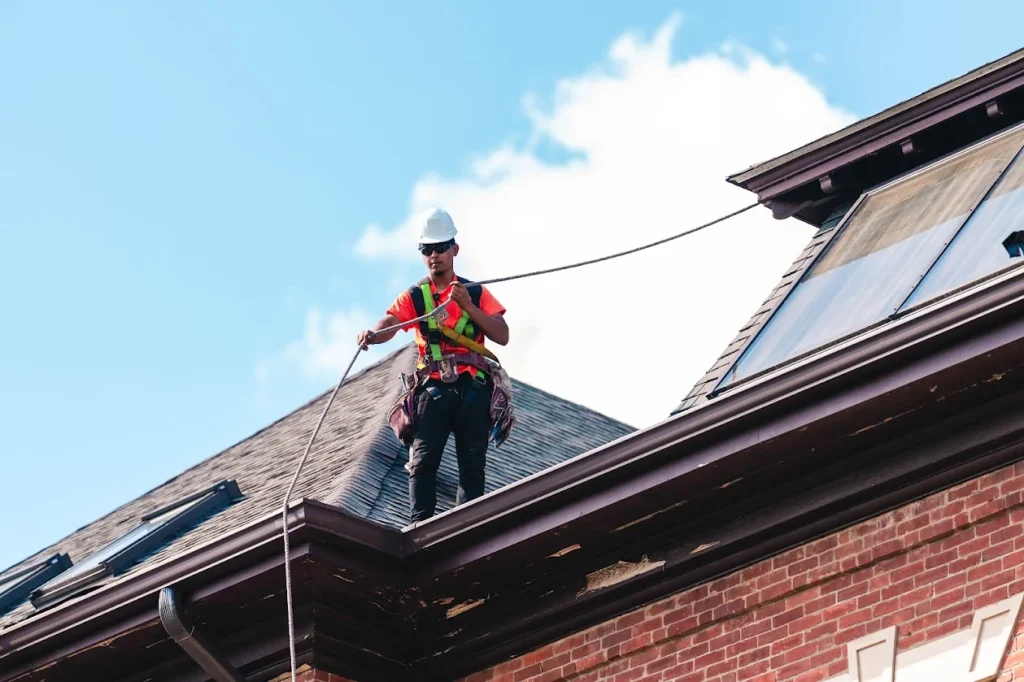
Massachusetts experiences an average of 40–50 inches of snowfall annually, combined with frequent temperature fluctuations above and below freezing. This creates a freeze-thaw cycle where water expands beneath roofing materials, leading to cracking and deterioration over time.
In coastal areas such as Boston and Quincy, salt air and wind-driven rain accelerate corrosion and wear. Inland areas like Lexington and Concord often experience heavier snow loads and prolonged cold periods, increasing the risk of ice dams and moisture buildup.
Because of these conditions, not all roofing materials perform equally. Some materials handle moisture better, while others resist temperature changes or provide better insulation. Choosing the right material—or understanding the one already on your property—helps reduce long-term maintenance and protects against structural damage.
RB Farina Roofing Co focuses on the most effective roofing materials for Massachusetts climate, combining durability, performance, and code compliance. Below are the primary materials we install and service.
Asphalt shingles are the most widely used roofing material in Massachusetts, especially on residential properties. They are composed of a fiberglass base layered with asphalt and mineral granules, which provide waterproofing and UV protection.
Architectural shingles, also known as dimensional shingles, are thicker and more durable than traditional 3 tab shingles. Their laminated construction increases wind resistance and improves durability during freeze-thaw cycles.
3 tab shingles were commonly installed on homes built before the early 2000s. While economical, they are thinner and less resistant to wind uplift and freeze-thaw cracking.
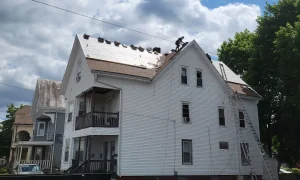
Metal roofing systems are gaining popularity in Massachusetts due to their durability and long-term performance. These systems are typically made from steel, aluminum, or copper panels.
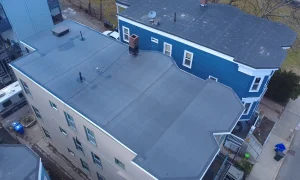
TPO roofing is commonly used on commercial and multi-family buildings throughout Massachusetts. While primarily a commercial roofing material, it is essential in Boston due to the large number of flat and low-slope structures.
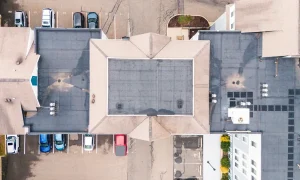
Flat and low-slope roofs are common on commercial buildings and multi-family properties throughout Massachusetts and Cambridge. EPDM rubber roofing provides flexible, freeze-resistant performance ideal for harsh winters.
Massachusetts’ climate plays a direct role in how roofing materials perform over time.
Freeze-Thaw Cycles:
Water trapped beneath roofing materials expands when frozen, causing cracks and material separation.
Snow Loads:
Heavy snow accumulation adds weight to roofing systems, stressing structural components and increasing the risk of damage.
Coastal Moisture Exposure:
Salt air and humidity accelerate corrosion, particularly on metal components and fasteners.
Seasonal Temperature Swings:
Rapid temperature changes cause materials to expand and contract, leading to fatigue and eventual failure.
These environmental factors are why regular roof inspections and maintenance are essential for identifying early signs of roof problems.
Most residential homes in Massachusetts use asphalt shingles or metal roofing. These materials balance cost, durability, and performance for typical home structures. Historic homes may feature slate roofing, which requires specialized care.
Commercial buildings often use flat roofing systems such as TPO or EPDM. These materials are designed for low-slope roofs and must handle drainage challenges and large surface areas.
Durability:
Materials must withstand Massachusetts weather conditions over time.
Maintenance Needs:
Some materials require regular upkeep, while others are more low-maintenance.
Cost vs. Longevity:
Higher upfront costs often translate to longer lifespan and fewer repairs.
Aesthetic Compatibility:
Certain materials are better suited for historic or modern architectural styles.
We assess decking condition, ventilation, snow-load capacity, and existing material performance.
All roofing materials are installed in compliance with Massachusetts code requirements, including full ice-and-water barrier application along eaves and valleys.
We explain the benefits and limitations of asphalt shingles, architectural shingles, 3 tab shingles, metal roofing systems, and TPO roofing based on your property type.
We provide manufacturer warranties and workmanship guarantees to ensure long-term protection.
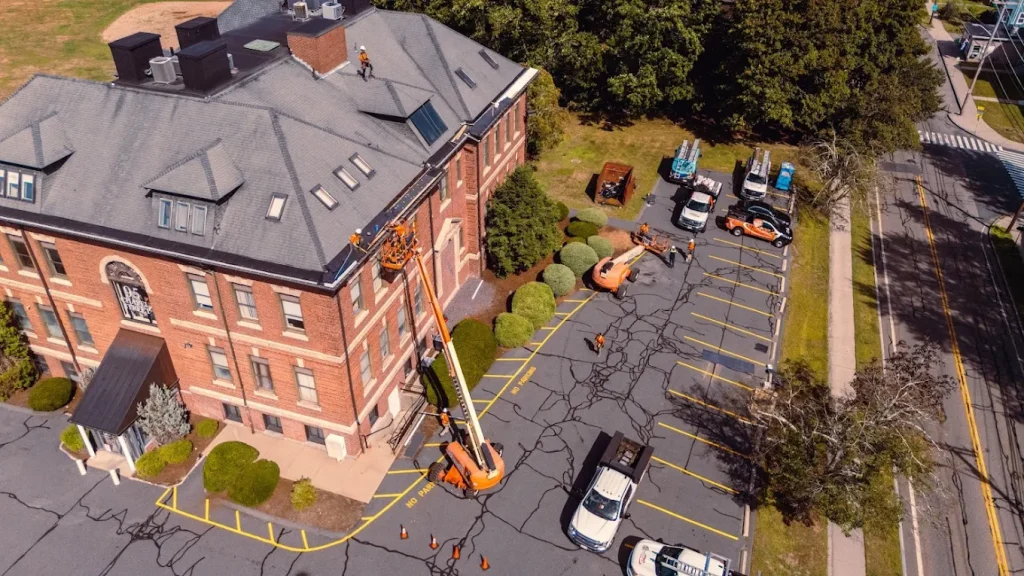
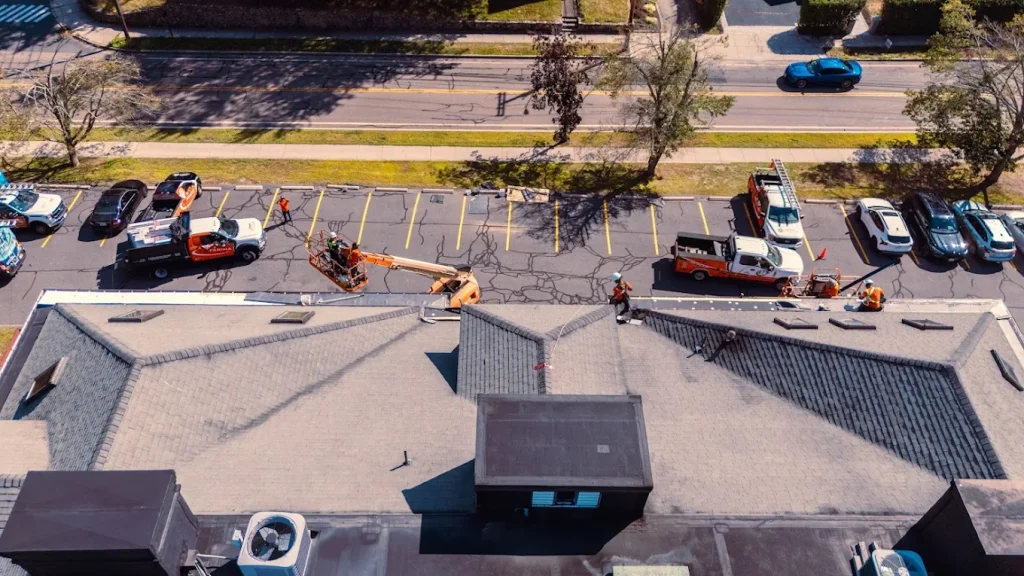
Since 1984, RB Farina Roofing Co has served Massachusetts with roofing solutions built specifically for New England weather. Our team understands how freeze-thaw cycles, heavy snow, and coastal air impact roofing materials differently across Boston neighborhoods.
We specialize in ice dam prevention, proper ventilation design, and structural load considerations unique to Massachusetts homes and commercial buildings. From roof restoration to full material upgrades, our expert team ensures your roofing system performs reliably year after year.
Asphalt shingles are the most commonly used material due to their affordability and versatility.
Yes. Architectural shingles are thicker and more resistant to wind and freeze-thaw stress.
Yes, metal roofs shed snow efficiently, reducing the risk of ice dams.
Yes, when installed with proper slope and insulation, TPO performs reliably on Boston commercial buildings.
Yes. We offer comprehensive roof inspections before recommending materials.
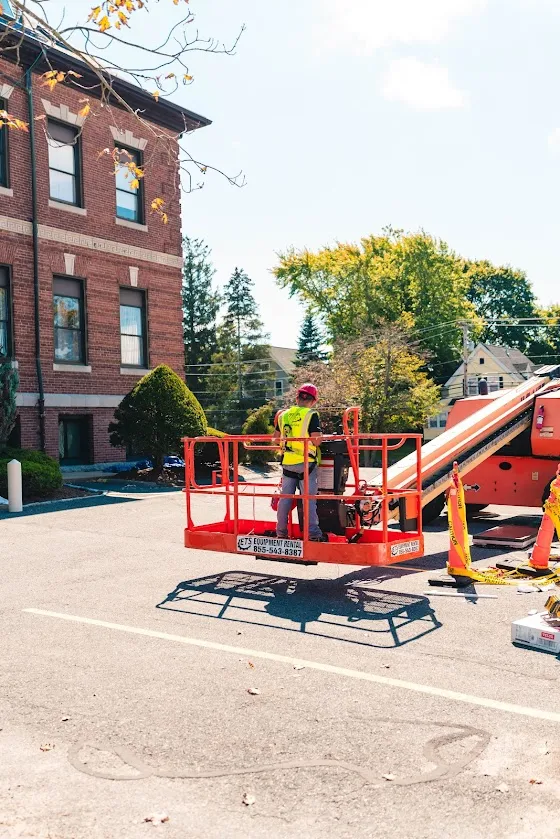
Understanding roofing materials is the first step in protecting your property. Whether you are dealing with aging materials, evaluating options for future projects, or trying to prevent common roof problems, having the right information helps you make better decisions.
For a professional evaluation of your roof’s condition, consider scheduling a detailed inspection to understand how your current materials are performing in Massachusetts conditions.
Provide your name, phone number, and any specific service requirements.
